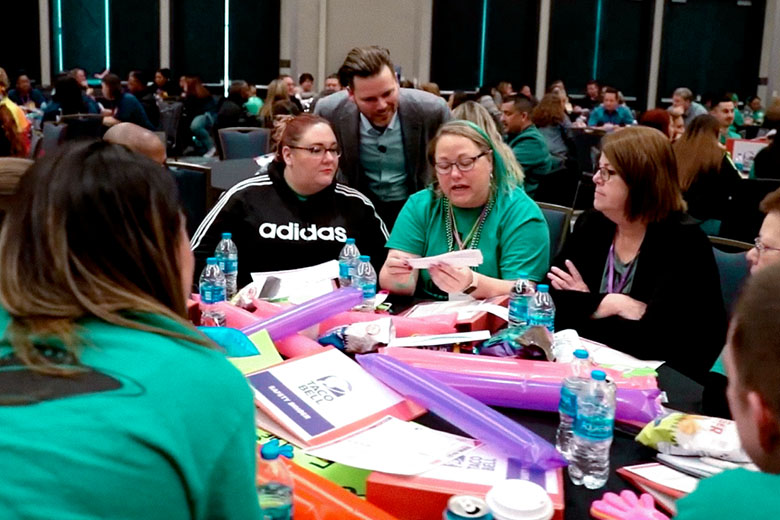
“Justin did a terriffc job getting people to step outside their comfort zone, share ideas, and facilitate a really effective discussion.”
There’s a conversation you’ve been putting off. Using the STEAM model, participants practice saying the hard thing with candor and care, and leave with a plan for the real one.
You know the one. You’ve rehearsed it in your head a dozen times. You’ve talked yourself out of it just as many. And the longer you wait, the more expensive the silence gets. For the relationship. For the team. For the culture.
Most people don’t avoid difficult conversations because they don’t care. They avoid them because they don’t know how to have them without making things worse. That fear of making it worse is what keeps people quiet, resentful, and stuck. This workshop changes that.
Because what keeps people from having these conversations isn’t a lack of skill. It’s a lack of relational courage. And that’s exactly what this workshop builds.
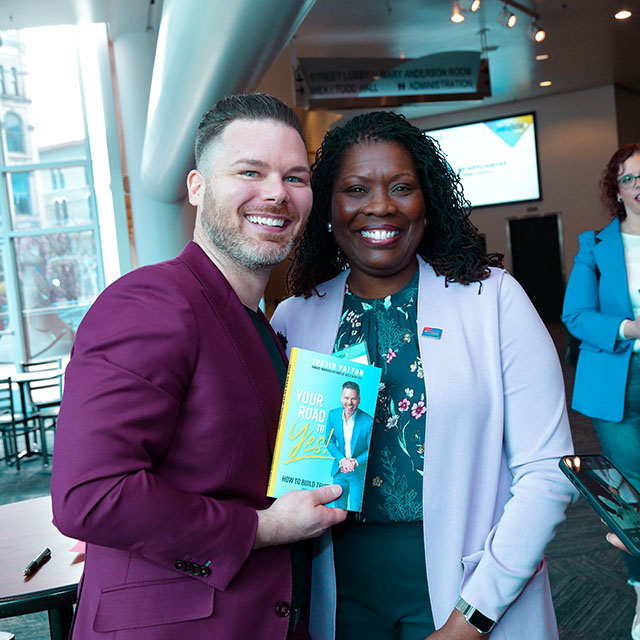
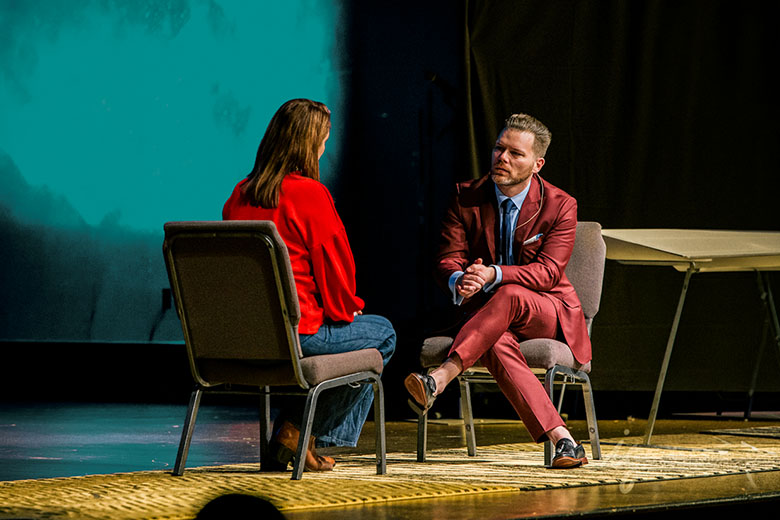
In this hands-on, real-talk workshop, Justin Patton gives leaders a practical framework for navigating the conversations that matter most. Using the STEAM model — Safety, Truth, Explore, Acknowledge, Mutual Agreement — participants learn how to enter hard conversations with the right mindset, say what needs to be said with both candor and care, and leave the conversation with the relationship stronger than when they started.
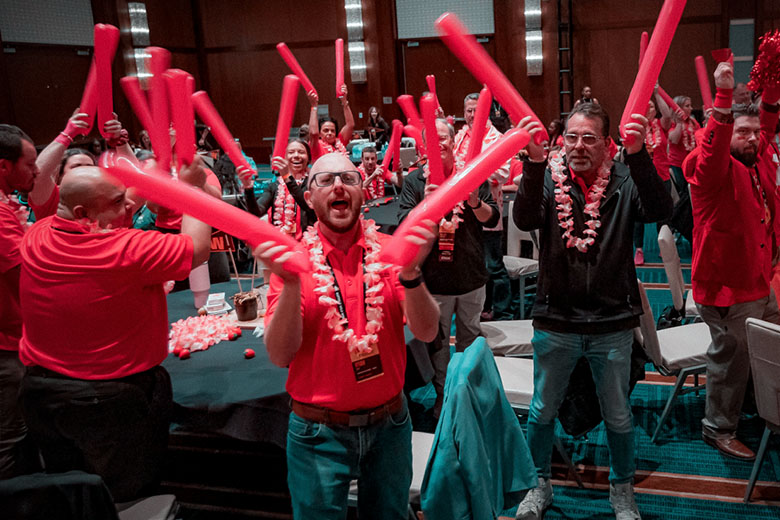
This workshop was trusted enough to take on a nine-city national tour with the Women’s Foodservice Forum. It works at every level of an organization. Your reaction. Your choice.
Because the goal was never to win the conversation.
It was to keep the relationship.
Justin Patton
“Justin did a terriffc job getting people to step outside their comfort zone, share ideas, and facilitate a really effective discussion.”
Everyone communicates the way they do for a reason. Using DISC, participants discover their style, read the styles around them, and learn to flex for more trust and less friction.
The speakers people remember aren’t the most polished. They’re the most real. Participants build a clear core message, then deliver it live with real-time coaching.
Emotional intelligence usually stays vague. Using the EQ-i 2.0, leaders see exactly where they’re strong, where they’re off balance, and the one change that moves everything else.
Telling people what to do solves today’s problem and creates tomorrow’s dependency. Led by a PCC-credentialed coach, managers practice the questions that get people thinking for themselves and owning the outcome.
Most influence happens from the side of the table, not the head of it. Participants learn to build support, frame their message, and move ideas forward when they don’t hold the title.
Most managers aren’t struggling because they don’t care. They’re undermanaging. This workshop turns four trust-building plays into skills managers practice in the room and use the next day.
Every room you walk into gets a version of you. This workshop shows leaders which one people actually experience and how to bring their best on purpose. It isn’t motivational. It’s a mirror.
Give your leaders space to work through real challenges, practice better conversations, and build the habits that help teams trust each other.