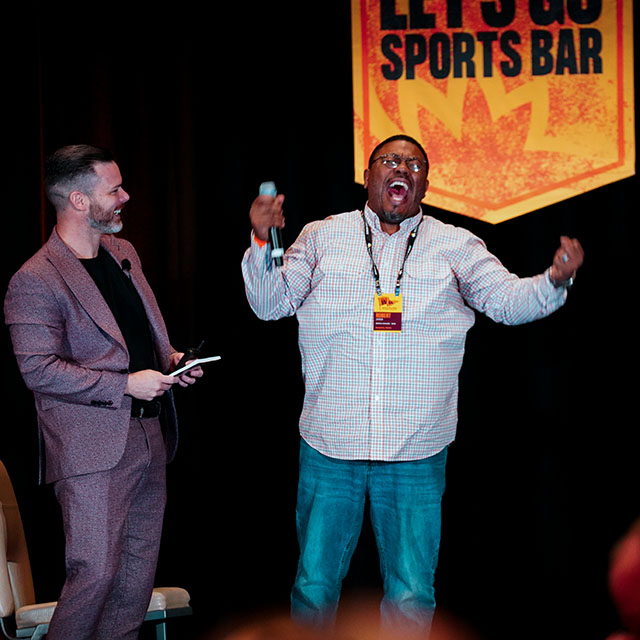
“Justin Patton brings so much energy and passion to each of his presentations. And the most important thing is that people walk away having learned something and being able to apply it in their day to day.”
Most influence happens from the side of the table, not the head of it. Participants learn to build support, frame their message, and move ideas forward when they don’t hold the title.
Your best people have the right ideas. What they don’t have is the title to make them happen. So they pitch in the meeting, watch the idea stall, and decide it isn’t worth the fight next time.
The problem usually isn’t the idea. It’s everything around it.
Most people spend all their energy on how to say it and almost none on who needs to hear it first, what that person cares about, and whether there’s enough trust in the relationship to carry it.
In this workshop, Justin Patton shows that influence isn’t manipulation. It’s getting people to move willingly. Participants learn to build relational capital before they need it, map who really decides and who could quietly block, frame a message with a proven structure that moves people to action, and turn toward the tough conversation when they hit resistance.
Every tool gets applied to a real person or project they’re working to move right now.
Most influence doesn’t happen from the head of the table. It happens from the side of it.
Justin Patton
“Justin Patton brings so much energy and passion to each of his presentations. And the most important thing is that people walk away having learned something and being able to apply it in their day to day.”
Everyone communicates the way they do for a reason. Using DISC, participants discover their style, read the styles around them, and learn to flex for more trust and less friction.
The speakers people remember aren’t the most polished. They’re the most real. Participants build a clear core message, then deliver it live with real-time coaching.
Emotional intelligence usually stays vague. Using the EQ-i 2.0, leaders see exactly where they’re strong, where they’re off balance, and the one change that moves everything else.
Telling people what to do solves today’s problem and creates tomorrow’s dependency. Led by a PCC-credentialed coach, managers practice the questions that get people thinking for themselves and owning the outcome.
There’s a conversation you’ve been putting off. Using the STEAM model, participants practice saying the hard thing with candor and care, and leave with a plan for the real one.
Most managers aren’t struggling because they don’t care. They’re undermanaging. This workshop turns four trust-building plays into skills managers practice in the room and use the next day.
Every room you walk into gets a version of you. This workshop shows leaders which one people actually experience and how to bring their best on purpose. It isn’t motivational. It’s a mirror.
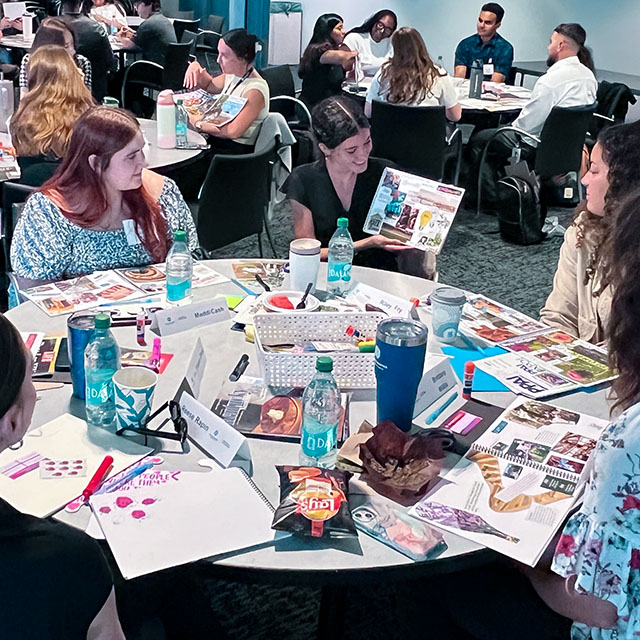
Give your leaders space to work through real challenges, practice better conversations, and build the habits that help teams trust each other.